What Experts Are Saying About Plastic Bags
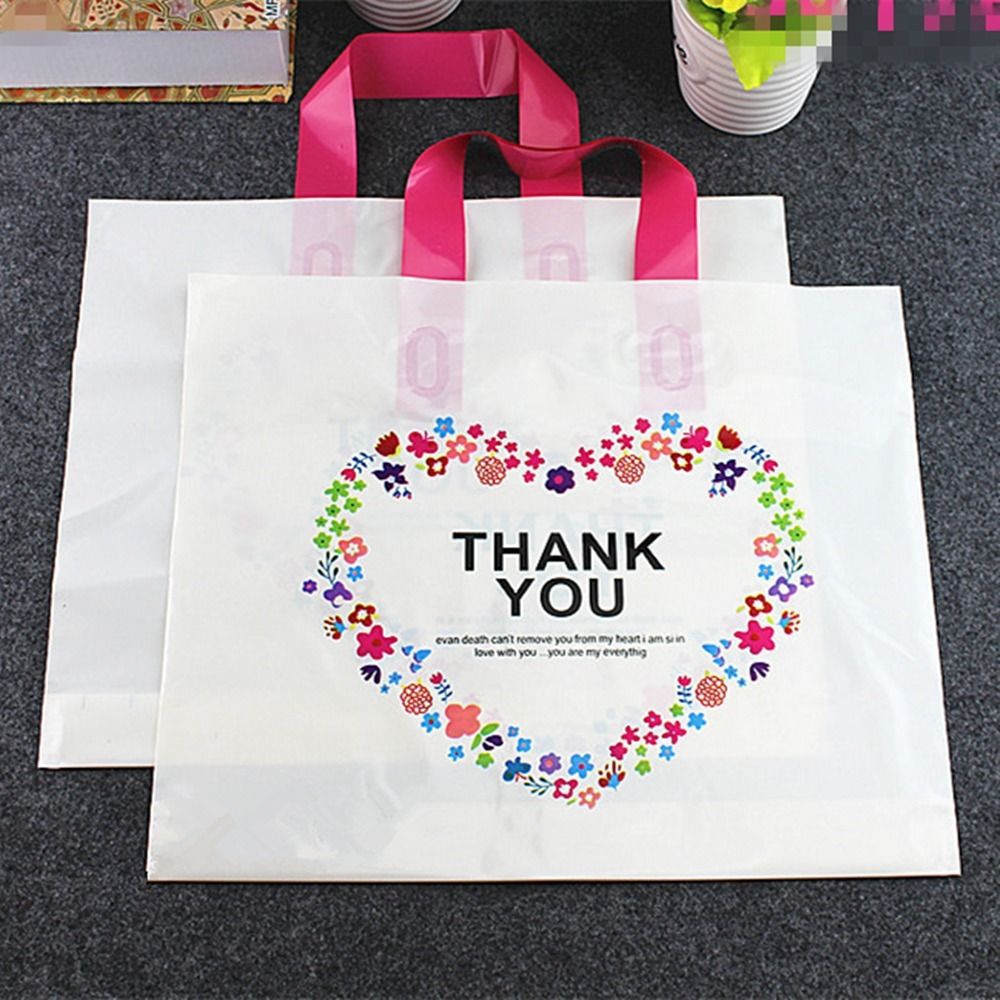
Printed bags, designed and distributed for your business, can be an extremely effective marketing tools. However, whether you are an SME or a huge retailer with branches all over the country, picking the type of bag to supply your customers can be a hard decision. Printed plastic bags and paper bags are the two most commonly used options. They are quick and easy to produce in bulk and both are totally customisable, so you can blast your brand’s message to capture the hearts of customers. Yet choosing between printed and plastic bags can be hard because of the indirect image they project about your brand. This guide could help you make the decision that can affect your businesses’ reputation and your company’s success in the future.
Manufacturing Costs
Plastic bags were the long-time favourite for shop owners and businesses around the world. In the UK, as well as in other countries battling climate change, a fee for plastic carrier bags was introduced in 2015. It called into question the morality of passing harmful materials out to customers freely.
However, the thing to consider for small businesses who have slim profit margins is the cost. Plastic bags are extremely cheap to manufacture, which makes them appealing to many businesses. It is important to also consider the cost of paper bags, which are not that much more expensive, but the value for money in terms of quality materials and the standard of the product is much better. Plastic bags that are cheaper than paper alternatives are likely to be quite flimsy, weak or un-customised. Paper bags, although less durable than a bag for life or a thicker plastic, are better value and could convey a better message to your customers.
If this suits your business model, it’s well worth the investment. If your business model is ‘cheap and cheerful’ and your customers are unlikely to be paying attention to the quality of your bags, you might prefer to use plastic.
Where Does The Money From The Plastic Bag Charge Go?
In the UK, a 5p charge was introduced for plastic bags in 2015. That has steadily risen, and most major supermarkets now charge 20p for plastic bags. It will be key to consider whether you want to pass this cost on to your customers. It’s not something that is going to make significant profit for you but will add to your customer’s bill. Supermarkets and major, trusted brands are confident with their decision because they have a loyal customer base and benefit from a captured audience, this means you are likely to shop where you shop because it is close and convenient for you.
The money supermarkets and other companies take from the Plastic Bag Charge is donated back to an offsetting campaign. This is now expected of the major retailers. Interestingly, plastic bag usage has fallen dramatically since the levy was introduced, which could suggest they have naturally fallen out of favour with consumers.
Keen To Promote An Eco Image?
Plastic bags do have a bit of a reputation – and rightly so. They could take thousands of years to decompose and are so often used only once. Paper bags, particularly in the natural, kraft brown, appearance, do promote an eco-friendly image for your brand.
However, one of the interesting things to consider is that paper bags use marginally more energy to produce that plastic. Yet, they only need to be used three times in order to offset the energy used to create them. Plastic requires much more. It will be important to encourage customers to reuse your bags – whatever material you use – if you want to establish an environmentally friendly and sustainable image for your brand. Alternatively, the most common type of bag that is re-used is cotton or fabric bags.
The Durability Problem
One of the key factors that deters retailers from providing paper bags is that they are less durable than plastic. This can be true, depending on how they are used. In turn, we have just established that a paper bag only needs to be used three times in order to be carbon neutral. This is quite an achievable and realistic goal. Educating customers about the bags they use, perhaps in the design you use or the message you put on your bags, could be the key to choosing the eco-friendly option that presents your brand positively!