What Can You Expect From Your Heart Surgery
Heart disease affects millions of people, and can be a serious condition if left untreated. We all have that one family member who’s been having heart surgery for a long time. It is really hard to watch someone we love go through something so difficult because it means that they’re going to be put through a lot of physical pain and emotional trauma. But what can you expect from this kind of surgery?
Common Signs And Symptoms
If you’re considering heart surgery, it’s important to be aware of the common signs and symptoms of heart conditions like Mitral Regurgitation, which may indicate the need for a procedure. In many cases, heart surgery is performed to correct a problem with the heart’s valves, which can cause symptoms such as chest pain, shortness of breath, and fatigue. Other common indications for heart surgery include coronary artery disease, cardiomyopathy, and congenital heart defects.
Types Of Treatments
When it comes to heart surgery, there are different types of treatments that your surgeon may recommend. The type of treatment will depend on the specific condition that you have. Here are some of the most common types of heart surgery:
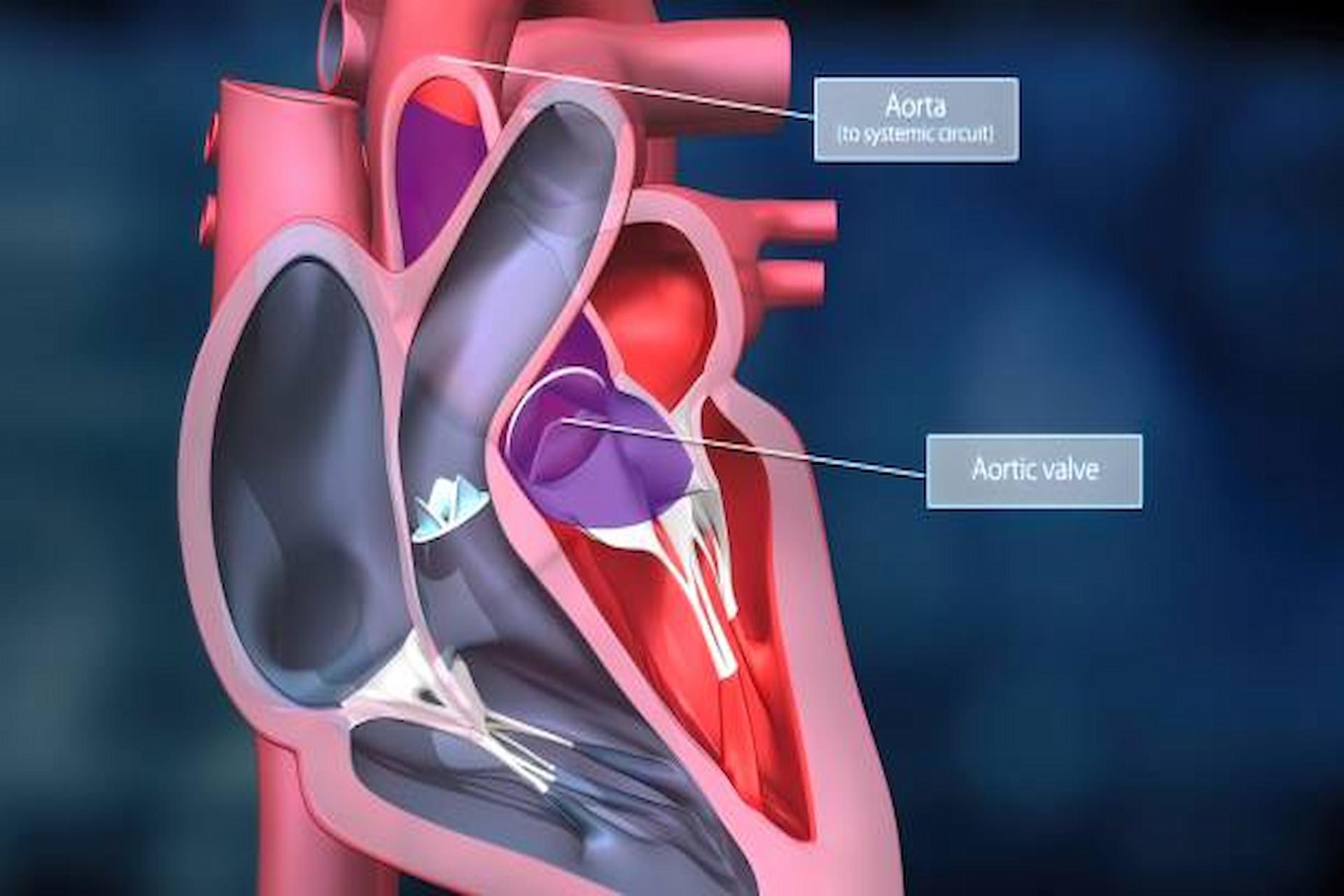
Valve Repair Or Replacement: This type of surgery is used to treat damaged or diseased valves.
Coronary Artery Bypass Graft (CABG): This type of surgery is used to treat blocked arteries.
Arrhythmia Surgery: This type of surgery is used to treat abnormal heart rhythms.
Heart Transplant: This is the last resort option for treating heart failure.
Heart Murmur Vs. Mitral Regurgitation
When it comes to heart surgery, there are a lot of terms and procedures that can be confusing for patients and their families. Two common terms that are often used interchangeably are heart murmur and mitral regurgitation. But what do they mean?
A heart murmur is a general term used to describe any abnormal sound that is heard during a heartbeat. It is usually caused by turbulent blood flow within the heart. Mitral regurgitation, on the other hand, specifically refers to the backward flow of blood from the left ventricle into the left atrium. This condition is often caused by a leaky mitral valve.
The Procedure
The first thing that will happen is you will be given anaesthesia, your surgeon will make an incision in your chest, and then hook up a machine called a bypass pump to your heart. This bypass pump will take over the function of your heart and lungs during the surgery. After your surgeon has repaired or replaced the damaged part of your heart, they will then reverse the bypass pump and remove it from your body. You will then be taken to the recovery room where you will wake up from the anaesthesia.
Heart disease affects millions of people, and can be a serious condition if left untreated. If you’re considering heart surgery, it’s important to be aware of the common signs and symptoms that may indicate a need for the procedure.