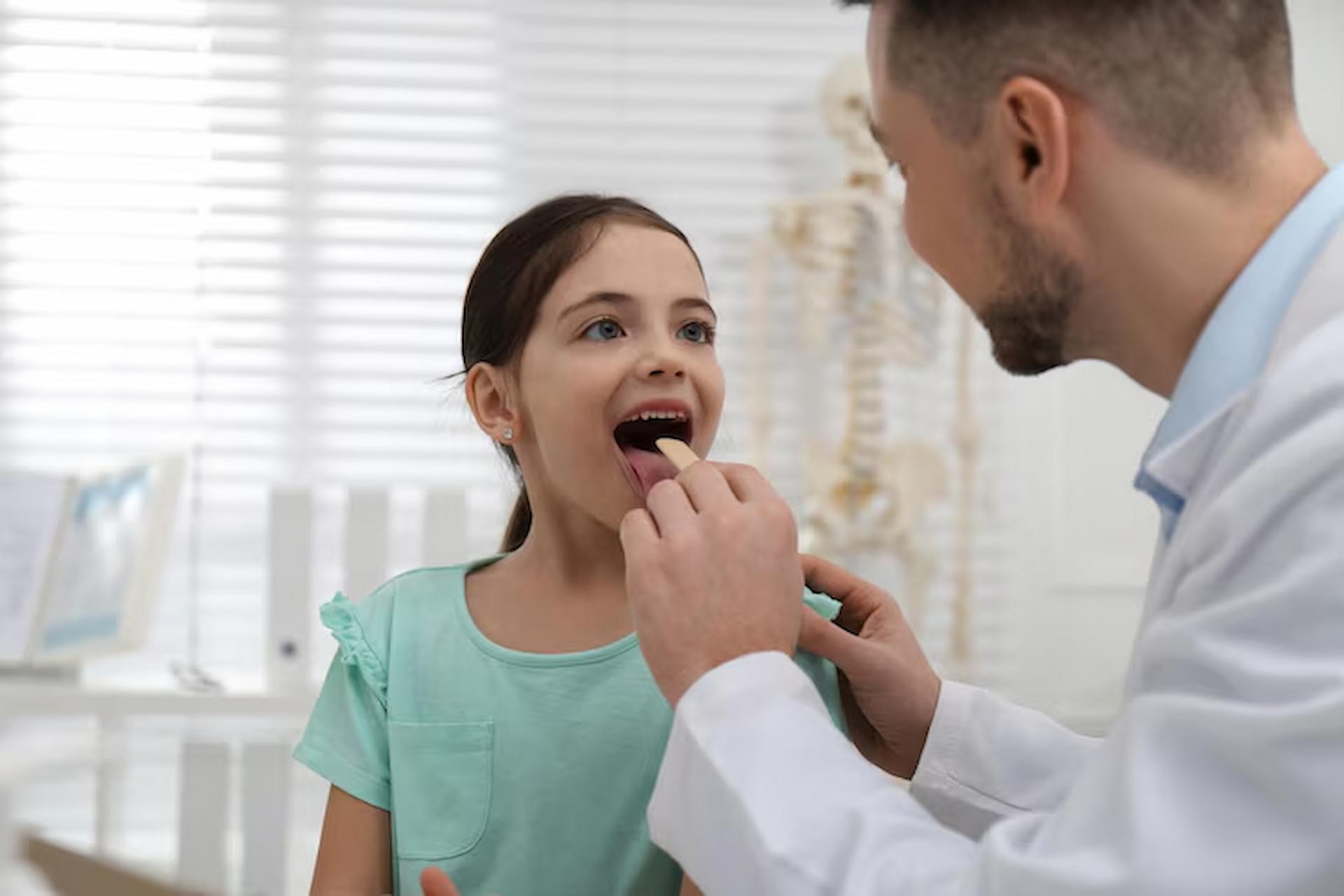
Side Effects of Malocclusion and How to Treat it
Malocclusion is the term that we use to describe teeth that do not align perfectly when you bite down.
Pick up a mirror and give a big open-mouthed smile – then bite down so that your bottom and top rows of teeth meet. If there are significant or visible gaps, then you suffer from some degree of malocclusion (even if you didn’t notice before!)
In this blog, we’re talking through some of the basics of dental occlusion as a service – sharing the side effects of malocclusion and how dental experts can treat it.
Living with malocclusion
You might be thinking that malocclusion is all about aesthetics and the way it affects your smile.
While that is certainly one sign of malocclusion and something that many patients seek to fix with occlusion treatment, it is not the only side effect that patients experience.
Crooked and even loose teeth can often be caused or exacerbated by malocclusion. This is because the teeth do not fit together properly and so force pressure under other teeth – either through overcrowding or a misalignment somewhere in your mouth.
If loose teeth fall out, the gap can create even more issues and can leave you with exposed gums which are subject to food getting stuck and other issues.
A few other side effects to be aware of, that you may experience if you’re living with malocclusion, include grinding your teeth, a clicking jaw that’s paired with unexplained pain, regular toothache and tenderness when you eat.
How is malocclusion treated?
As an area of advanced dentistry, malocclusion does not have a one-size-fits-all quick fix that dental surgeries can roll out to all patients. Rather, this kind of dental issue requires a consultation and an approach that’s determined by the needs of the patient and the recommendations of professional dentists.
As such, malocclusion tends to be approached through a series of options – ranging from the least invasive provision of a bite guard to tooth straightening and even tooth removal and replacement. If teeth need to be removed to realign the teeth and alleviate the pressure on the jaw, dentists can use veneers, bridges, or dental implants to repair the gap and restore the natural aesthetic of a picture-perfect smile.
Is there anything patients can do to fix their own occlusion?
While structural damage or issues within the mouth can only be rectified with professional dental intervention, there are some lifestyle changes recommended to patients that can put less stress on the jaw and minimise side effects.
Exercising and eating a healthy, balanced diet are up there as some of the most beneficial changes to make. Light medication can also help to ease some of the symptoms, especially while waiting for a longer term treatment.
If you suffer with malocclusion and want to find out the best options for you, get in touch with your local dental practice today.