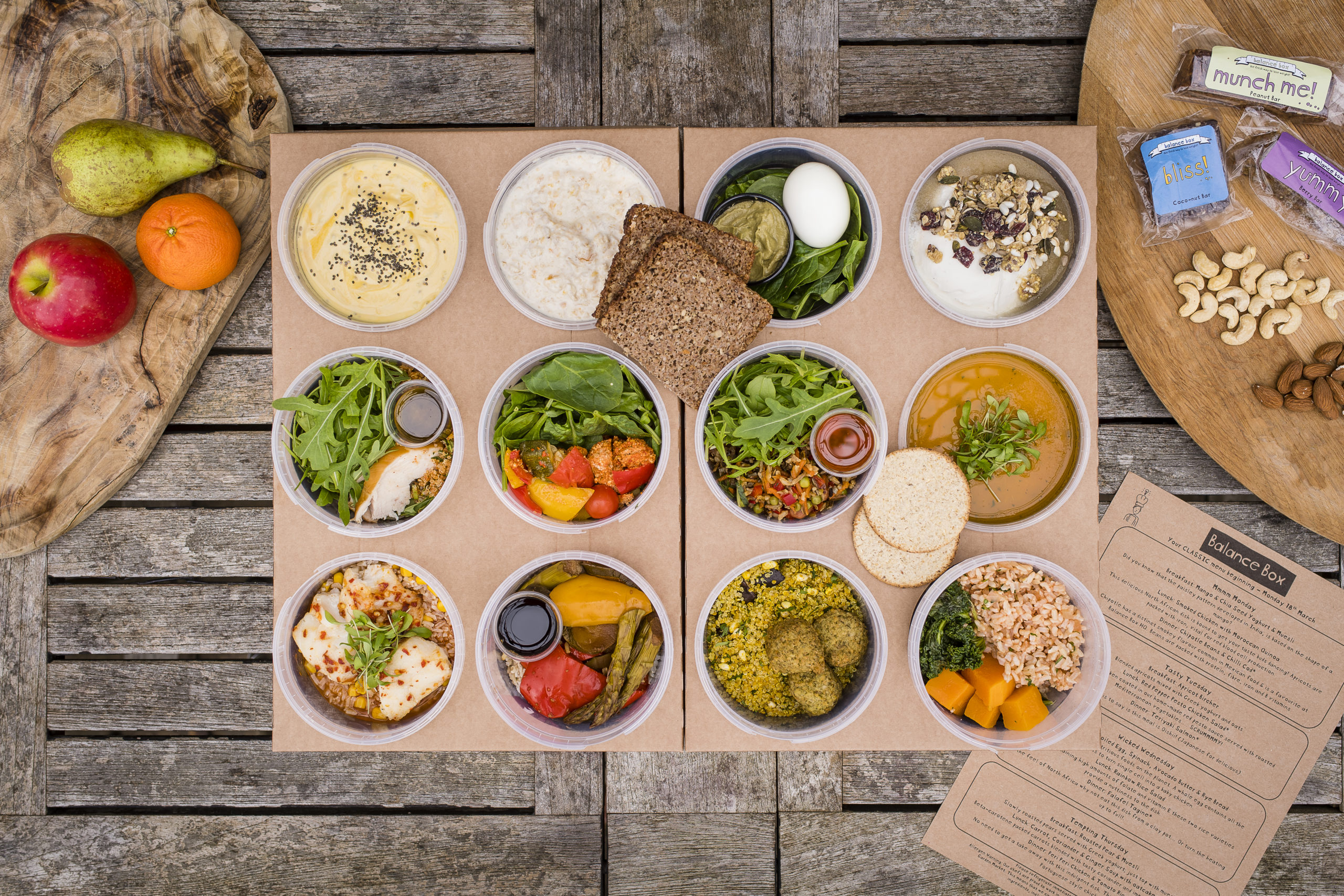
Your Guide to Choosing the Right Catering Menu
Planning an event and feeling overwhelmed by the food options? The right catering menu can set the tone for your gathering and leave a lasting impression. Whether it’s a wedding, birthday party, or corporate event, choosing the perfect dishes doesn’t have to be complicated. This guide will walk you through everything you need to know — from understanding your guests’ needs to selecting a menu that fits your event’s vibe.
Choosing the right food for your event is a big decision. The menu plays a key role in your guests’ experience. From small parties to big celebrations, a thoughtful catering menu makes a real difference. However, with so many choices available, it can be challenging to know where to start. This guide will help you make the best decision for your event. You’ll learn how to match food with your event style, consider guest preferences, and work efficiently with your caterer. With a little planning, you can create a menu that everyone will enjoy and remember.
Understand the Type of Event
The first step in choosing a catering menu is to think about your event. Is it a formal dinner or a casual gathering? A wedding will need a different menu than a business meeting or a backyard birthday.
Also, consider the time of day. Breakfast, lunch, and dinner all have different food expectations. For example, a brunch event may include light items such as pastries, eggs, and fresh fruit. Meanwhile, a dinner might feature heavier meals, such as grilled meats, pasta, or seafood.
Knowing the purpose of your event will help you make smart food choices from the start.
Know Your Guest List
Next, take a good look at your guest list. The size and type of audience will help shape your menu. For example, a small group allows more personalized dishes, while a large crowd may need simple and popular options.
Here are a few guest details to consider:
- Age group: Children, adults, or seniors may prefer different foods.
- Cultural background: Respect any cultural food habits or traditions.
- Dietary restrictions: Always ask about allergies or special diets, such as vegetarian, vegan, or gluten-free.
Planning with your guests in mind makes the meal more enjoyable for everyone.
Choose a Balanced Menu
A good catering menu should be well-balanced. It needs to offer variety without overwhelming your guests. Include options for all tastes.
Here’s a simple way to balance your menu:
- Appetizers: Light bites, such as spring rolls, dips, or mini tarts.
- Main courses: A mix of meat, seafood, and vegetarian dishes.
- Side dishes: Salads, rice, vegetables, or bread.
- Desserts: Cakes, fruits, or puddings.
- Drinks: Both non-alcoholic and alcoholic (if appropriate).
Mixing hot and cold dishes also adds interest. And don’t forget to match the portion sizes to the type of event — light for short gatherings and hearty for longer events.
Decide on the Right Catering Style
Now that you have an idea of your menu, think about your catering style. This refers to how the food will be served to guests. It affects the mood, timing, and overall experience of your event.
Here are a few common styles:
- Buffet: Guests serve themselves from a table with a variety of food choices. Great for casual or large events.
- Plated meals: Each guest gets a set meal served at their seat. This suits formal or elegant gatherings.
- Family-style: Large platters are placed on each table for guests to share. It adds warmth and interaction.
- Food stations: Small setups for different food types (like pasta or tacos). Fun and interactive for mixed groups.
Your choice should depend on the venue, the event’s tone, and your budget.
Keep the Season in Mind
Seasonal food always tastes better. It’s fresher, more affordable, and often more flavorful. When planning your menu, think about the time of year.
Here are some examples:
- Spring: Fresh vegetables, light salads, citrus flavors.
- Summer: BBQ dishes, fruits, cool desserts, iced drinks.
- Autumn: Roasted meats, root vegetables, warm pies.
- Winter: Hearty soups, casseroles, hot drinks.
Using local and seasonal items also supports sustainability, which some guests may appreciate.
Match the Menu with the Event Theme
If your event has a theme, make sure your menu fits. A beach-themed party could offer grilled seafood and tropical fruits. A garden tea party might serve finger sandwiches and pastries.
Even if your event is simple, a small touch like a color-matching dessert can tie everything together. Food is not just for taste — it can also be part of the visual appeal.
Work Within Your Budget
Catering costs can quickly add up, but planning ahead helps you stay within budget. Discuss your catering needs with your caterer early on and establish clear spending limits. They can suggest dishes that are both affordable and tasty, as well as visually appealing.
Some cost-saving tips include:
- Choosing in-season produce
- Reducing the number of courses
- Offering one or two drink options instead of a full bar
- Using buffet or food stations instead of plated meals
Focus on quality over quantity. A few well-prepared dishes can impress more than a long list of average ones.
Don’t Forget About Presentation
The way food looks matters almost as much as how it tastes. Ask your caterer how they plan to present the food. Well-arranged dishes, nice trays, and fresh garnishes can lift the whole experience.
Also, check if serving items, such as plates, cutlery, and napkins, are included. Matching the food setup with the overall event theme adds a professional touch.
Offer Tastings if Possible
Before finalizing your menu, it’s a good idea to ask for a tasting session. This helps you check the flavors, presentation, and portion sizes. It also builds trust with the caterer and allows you to make any needed changes.
Use the tasting to ask questions like:
- Can they adjust spice levels?
- What happens if someone has a last-minute allergy?
- Are they flexible with last-minute changes to the guest count?
Tasting gives peace of mind and ensures the food meets your expectations.
Communicate Clearly with the Caterer
A good relationship with your caterer makes the whole process smoother. Be honest about your needs, budget, and guest preferences. Share the event schedule so they can plan serving times properly.
Also, check if they handle setup, cleanup, and serving staff. Knowing these details in advance helps avoid surprises later.
Confirm All the Details
A few days before the event, confirm everything. Go over the menu, number of guests, food setup, and service time. Ensure that any special meals or allergy notes are clearly indicated.
It’s also wise to have a backup plan. For example, if your event is outdoors, consider what will happen if it rains. Good planning keeps your event running smoothly, even if something unexpected happens.
Conclusion
Choosing the right catering menu doesn’t have to be stressful. With thoughtful planning and clear communication, you can serve food that delights your guests and perfectly suits your event. Begin by understanding your event type and the needs of your guests. Then, select a menu and catering style that match the occasion. Stay within your budget, focus on quality, and always keep the presentation in mind. Remember, food is a big part of any celebration. Done right, it brings people together and adds joy to the moment. Take your time, make smart choices, and savor the results of a great meal.