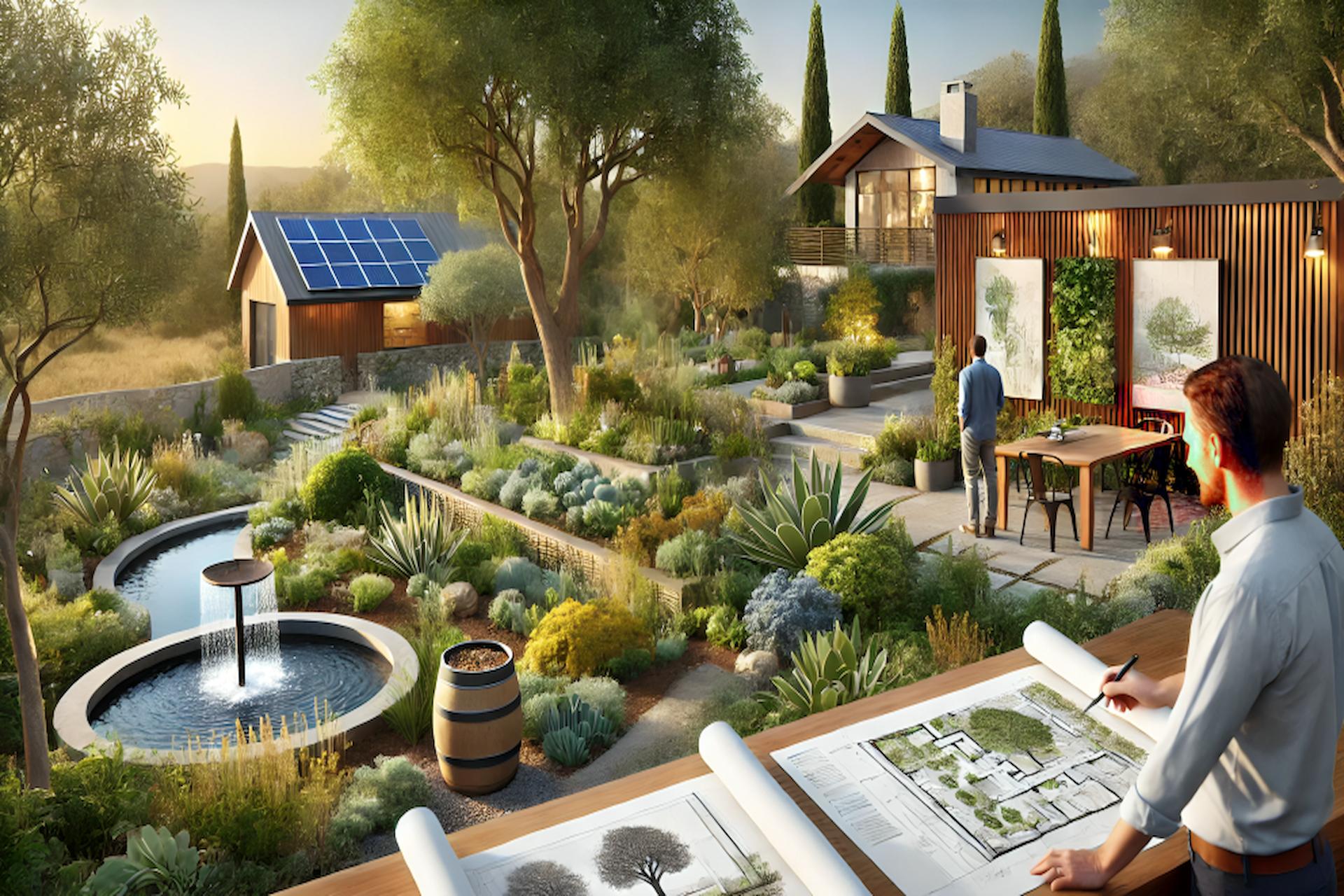
How to Create Sustainable Landscape Plans for Your Property
Creating a sustainable landscape plan for your property is one of the most rewarding and environmentally responsible actions you can take as a homeowner. Whether you’re looking to create an oasis in your backyard or simply want to enhance the natural beauty of your property, sustainability should be at the core of your planning. This approach benefits the environment, reduces maintenance costs, and improves the long-term resilience of your landscape.
In this article, we’ll walk you through practical steps to create sustainable landscape plans that are beautiful, functional, and environmentally friendly. Plus, we’ll show you how Artemis Ltd. offers expert landscape planning services that can guide you in crafting a thoughtful and eco-friendly outdoor space.
What Is Sustainable Landscape Planning?
Sustainable landscape planning involves designing outdoor spaces that harmonise with the environment. This means using resources efficiently, minimising waste, and choosing plants and materials that thrive in your local climate without excessive water, fertiliser, or pesticides.
A sustainable landscape plan aims to create a low-impact, high-benefit outdoor environment that is aesthetically pleasing and environmentally responsible. Careful planning can reduce water consumption, enhance biodiversity, and lower energy usage around your property.
Step-by-Step Guide to Creating a Sustainable Landscape Plan
1. Assess Your Site
The first step in any successful landscape plan is to assess your property’s unique features. Take time to observe the existing conditions of your outdoor space, such as the soil type, slope, sunlight exposure, and drainage patterns. Understanding these factors will help you select plants and design features that work in harmony with your local environment.
- Soil type: Knowing the quality and type of your soil is essential for choosing the right plants. Conduct a simple soil test to determine pH levels and nutrient availability.
- Sunlight exposure: Some plants require full sunlight, while others thrive in the shade. Mapping out your property’s sun and shade patterns will help you choose the right plants.
- Water drainage: Identify areas where water collects or runs off too quickly. To manage water effectively, you may need to implement solutions like rain gardens or permeable pavers.
2. Choose Native Plants
One of the cornerstones of sustainable landscape planning is using native plants. Native plants are naturally adapted to your region’s climate and soil, making them more resilient and less dependent on additional water, fertilisers, and pesticides. They also support local wildlife, such as pollinators, birds, and beneficial insects.
When selecting plants for your landscape, consider:
- Perennials: These long-lived plants return year after year, reducing the need for replanting.
- Drought-tolerant species: Choose plants that can survive on minimal water to reduce irrigation needs.
- Diversity: Include a variety of plants to create a balanced ecosystem and promote biodiversity.
3. Optimize Water Use
Efficient water use is a crucial principle of sustainable landscaping. A well-designed landscape should minimise water waste and make the most of natural rainfall. Here are some strategies to optimise water use in your landscape plan:
- Install a rainwater harvesting system: Collect rainwater from rooftops and store it in barrels for later use in irrigation.
- Use drip irrigation: Drip irrigation systems deliver water directly to the plant roots, reducing evaporation and water waste.
- Mulch: Applying organic mulch around plants helps retain soil moisture, suppress weeds, and regulate soil temperature.
By optimising water use, you can significantly reduce your environmental impact while maintaining a lush, healthy landscape.
4. Incorporate Energy-Efficient Design
Sustainable landscape planning can go beyond just plant selection and water conservation. Thoughtful design choices can also help reduce energy consumption around your property.
- Strategic planting of trees: Planting trees in suitable locations can provide natural shade and reduce your home’s need for air conditioning. Trees can also act as windbreaks, reducing heating costs during colder months.
- Outdoor lighting: Use solar-powered or energy-efficient LED lighting to illuminate walkways and outdoor areas.
Integrating energy-efficient features into your landscape can lower your property’s energy usage and reduce your overall carbon footprint.
5. Create Wildlife Habitats
Sustainable landscapes are not just for humans—they can also provide essential habitats for local wildlife. Creating wildlife-friendly spaces contributes to biodiversity and promotes a healthier ecosystem.
- Pollinator gardens: Plant flowers that attract bees, butterflies, and hummingbirds.
- Water sources: Consider adding a small pond or birdbath to provide fresh water for wildlife.
- Shelter: Incorporate features like birdhouses, rock piles, or dense shrubs where wildlife can find shelter.
These elements enhance your garden’s beauty and foster a thriving ecosystem.
6. Use Sustainable Materials
Opt for sustainable materials when creating hardscaping features like patios, walkways, and fences. Look for recycled or locally sourced materials that have a lower environmental impact. Permeable pavers, for example, allow rainwater to seep through, reducing runoff and replenishing groundwater.
Some eco-friendly material choices include:
- Recycled concrete: An environmentally responsible choice for patios and retaining walls.
- Bamboo: A rapidly renewable material ideal for fences and decking.
- Gravel or mulch pathways: These materials allow for low-maintenance natural water infiltration.
Using sustainable materials in your landscape design reduces waste and minimises environmental footprint.
How Artemis Ltd. Can Help
A sustainable landscape plan can be complex, especially when balancing aesthetics, functionality, and environmental considerations. That’s where Artemis Ltd. comes in. As experts in Landscape Planning Services, they provide tailored solutions that meet the unique needs of your property.
Their team takes a holistic approach to landscape planning, focusing on sustainability, low-maintenance designs, and long-term resilience. From selecting native plants to optimising water use, Artemis Ltd. ensures that your landscape is beautiful and eco-friendly.
Sustainable Maintenance Tips
Proper maintenance is crucial to ensure longevity once your sustainable landscape plan is in place. Here are a few maintenance tips to keep your eco-friendly landscape thriving:
- Regularly prune plants: Proper pruning promotes healthy growth and prevents overcrowding.
- Compost yard waste: Instead of sending it to the landfill, compost it to create nutrient-rich soil.
- Weed regularly: Keep invasive species at bay by pulling weeds early and often.
- Inspect irrigation systems: Check for leaks or clogged emitters in your drip irrigation system to ensure efficient water use.
Sustainable landscapes require less upkeep than traditional gardens, but consistent care will keep them looking vibrant and healthy year-round.
Conclusion
Creating a sustainable landscape plan for your property is an investment in the environment and your home’s long-term value. By choosing native plants, optimising water use, incorporating energy-efficient designs, and using eco-friendly materials, you can design an outdoor space that is beautiful, functional, and sustainable.