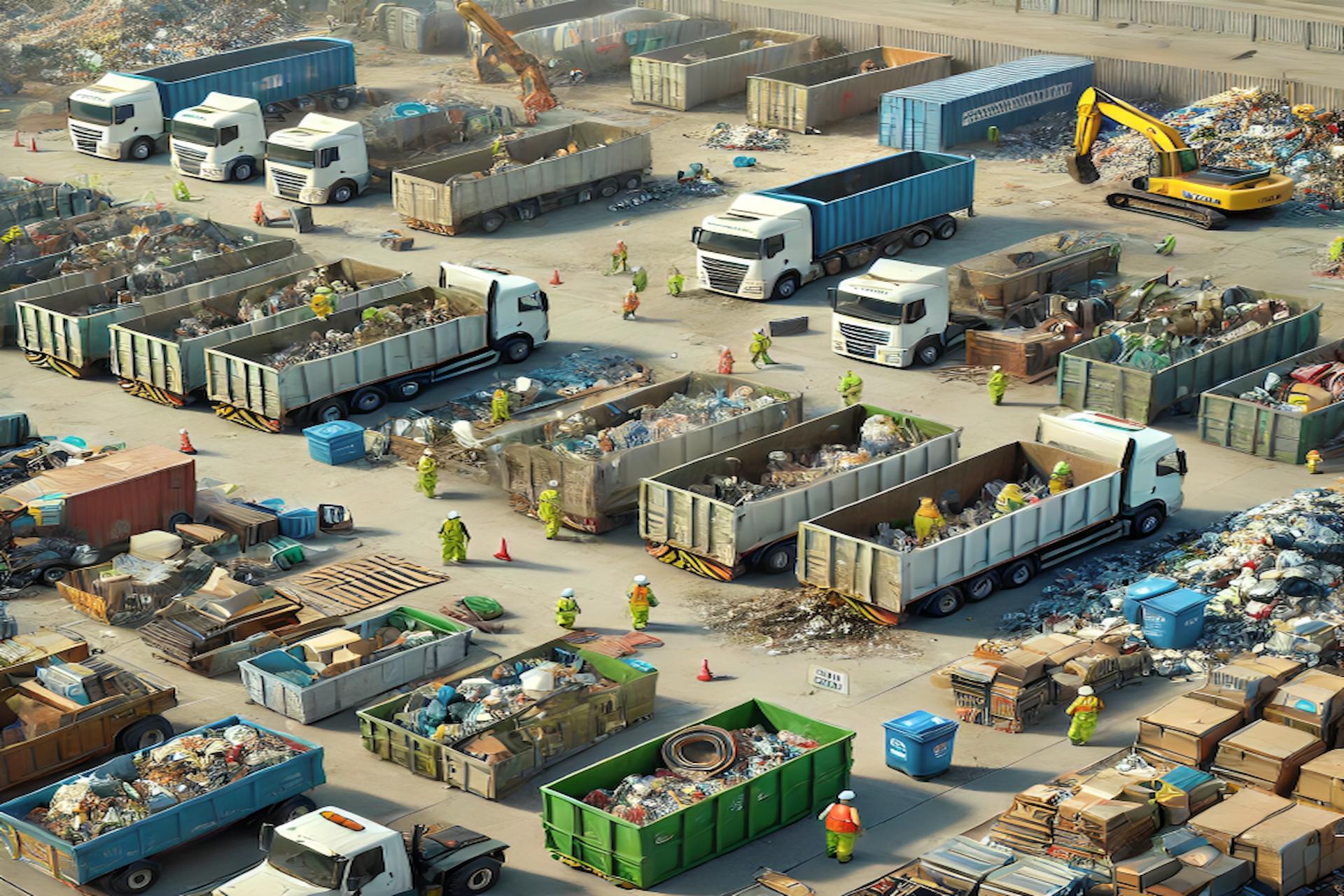
How to Prepare for a Large-Scale Rubbish Clearance Project
A large-scale rubbish clearance project can feel overwhelming without the right approach. Whether you’re clearing out a construction site, renovating a property, or dealing with accumulated waste, proper preparation is the key to success. Learn the essential steps for handling large-scale rubbish removal effectively and efficiently.
Preparing for a large-scale rubbish clearance project requires more than just setting aside a weekend and hoping for the best. These projects can involve a significant amount of waste, including bulky items, construction debris, and potentially hazardous materials. Without proper planning, it’s easy for a clearance project to become chaotic and stressful, costing you more time and money than expected.
In this guide, we’ll walk you through the essential steps to prepare for a successful rubbish clearance project, from planning and organizing to choosing the right disposal methods. By the end, you’ll have a clear understanding of what needs to be done to ensure the project runs smoothly and efficiently.
Start with a Comprehensive Assessment
Before diving into the physical work of clearing rubbish, take the time to assess the scope of the project. Understanding the size and nature of the clearance will help you plan effectively and avoid any unexpected obstacles later on.
What to Include in Your Assessment:
- Type of Waste: Identify the types of waste you’ll be dealing with, such as general household rubbish, construction debris, garden waste, or hazardous materials. Each category may require different disposal methods.
- Volume of Waste: Estimate how much waste there is to remove. This will determine the size of the skip or number of rubbish bags needed.
- Access to the Site: Consider how easy it is to access the clearance site. For example, a narrow or chip driveway could complicate the process.
- Potential Hazards: Look for any safety hazards, such as sharp objects, broken glass, or asbestos, that will need to be handled carefully.
Completing this assessment gives you a clear picture of what you’re dealing with and helps in planning logistics, safety measures, and the manpower needed for the job.
Gather the Necessary Tools and Equipment
Once you’ve assessed the project, the next step is to gather all the tools, equipment, and protective gear required to carry out the clearance safely and efficiently.
Essential Items for a Large-Scale Rubbish Clearance:
- Heavy-Duty Gloves: Protect your hands from sharp objects and hazardous materials.
- Safety Gear: This includes protective goggles, hard hats, and steel-toe boots, particularly if there’s construction waste involved.
- Skips or Bins: Depending on the volume of waste, you may need multiple large bins or a skip for efficient collection.
- Rubbish Bags: Heavy-duty garbage bags are necessary for smaller waste items.
- Trolleys or Dollies: If you’re dealing with heavy or bulky items, a trolley or dolly can help move them safely.
- Shovels and Rakes: For clearing debris like leaves, soil, or gravel.
- Dust Masks: These are essential if you’re working in dusty environments or handling waste that may emit harmful particles.
Equipping yourself with the right tools not only speeds up the process but also ensures that everyone involved remains safe throughout the project.
Sort the Waste Before Disposal
One of the most important steps in any rubbish clearance project is to sort the waste into different categories before disposal. This makes the clearance process smoother and ensures that materials are disposed of responsibly.
Categories for Sorting:
- Recyclables: Separate glass, paper, metal, and plastic items that can be recycled.
- Hazardous Waste: Items like paint, chemicals, or batteries must be disposed of at designated facilities due to their environmental impact.
- General Waste: This includes non-recyclable items like broken furniture, damaged textiles, and other rubbish.
- Green Waste: Grass clippings, branches, and other organic waste can be composted or taken to green waste facilities.
Sorting waste before disposal not only helps the environment by reducing landfill use but can also lower your disposal costs, as many services charge based on the type of waste they collect.
Hire a Professional Rubbish Removal Service
For large-scale rubbish clearance projects, especially those involving heavy or hazardous materials, hiring a professional service is often the most efficient option. A reputable rubbish removal company can take care of the disposal process from start to finish, ensuring everything is handled safely and in compliance with local regulations.
Benefits of Hiring a Professional Service:
- Time-Saving: Professionals can complete the clearance quickly and efficiently, saving you the hassle of multiple trips to the dump.
- Expertise: They know how to handle hazardous materials and ensure everything is disposed of properly.
- Equipment Provided: Many services come equipped with the necessary tools, including trucks, skips, and safety gear.
- Environmental Responsibility: Professional rubbish removal services often recycle as much waste as possible and dispose of hazardous materials in accordance with legal guidelines.
When looking for a service provider, it’s important to research companies with positive reviews and a proven track record in handling large-scale projects. This can save you from potential delays or added costs caused by inexperienced providers. For those seeking reliable rubbish collection, rubbish collection Middlesex offers professional services tailored to large-scale projects, ensuring efficient and hassle-free waste removal.
Plan for the Disposal Process
Disposing of large amounts of waste isn’t as simple as loading everything into a skip and calling it a day. Each type of waste needs to be taken to the appropriate facility for disposal, and in some cases, you’ll need special permits or arrangements.
Disposal Options to Consider:
- Skips and Roll-Off Containers: Ideal for larger volumes of waste, these containers allow you to collect everything in one place and have it hauled away at the end of the project.
- Local Recycling Centers: For recyclable materials like glass, metal, and paper, arrange transportation to your nearest recycling center.
- Hazardous Waste Disposal Facilities: Make sure you know where to take hazardous materials such as chemicals, paint, or asbestos.
- Landfills: Non-recyclable general waste may need to go to a landfill, though this should be your last resort to minimize environmental impact.
Once you’ve identified where each category of waste needs to go, you can schedule pickups or transport to ensure the process runs smoothly without unnecessary delays.
Legal Considerations for Large-Scale Clearance
Large-scale rubbish clearance projects may come with specific legal obligations, such as obtaining permits or adhering to waste disposal regulations. It’s essential to understand these requirements before beginning your project to avoid fines or complications.
Common Legal Requirements:
- Permits for Skips: If you’re placing a skip on public property like a road or sidewalk, you may need a permit from the local council.
- Waste Disposal Regulations: Different types of waste need to be disposed of according to local environmental laws, particularly hazardous materials.
- Documentation: For some projects, you’ll need to provide documentation detailing how waste was handled, especially for hazardous or industrial waste.
Consult with your rubbish removal service or local authorities to ensure you’re in compliance with all relevant regulations before starting the project.
Conclusion
A large-scale rubbish clearance project may seem overwhelming at first, but with the right preparation, it can be a smooth and efficient process. Start by assessing the scope of the project, gathering the necessary tools, and sorting the waste for responsible disposal. Whether you tackle the job yourself or hire professionals, planning ahead will save you time, effort, and money.
If you’re dealing with a significant amount of waste, it’s often worth hiring a professional service to ensure everything is handled properly. In areas like Middlesex, reliable rubbish removal companies can simplify the process by providing expert service from start to finish. For those needing help with rubbish collection in Middlesex, selecting a professional team with experience in large-scale projects can make all the difference.
In the end, the key to a successful rubbish clearance is organization. By preparing thoroughly and making informed decisions about how to dispose of waste, you can complete the project efficiently and with minimal stress. Whether you’re clearing out a home, an office, or a construction site, following these steps will ensure that your rubbish removal is as hassle-free as possible.